-
 A fountain of silvery, fine-toothed straps radiating from a low trunk — a sculptural high-desert evergreen that's far hardier than it looks, taking cold to ~-5°
 -
Not a true willow but a desert show-stopper — orchid-like pink-lavender trumpets all summer that hummingbirds can't resist, on a fast, airy small tree.
-
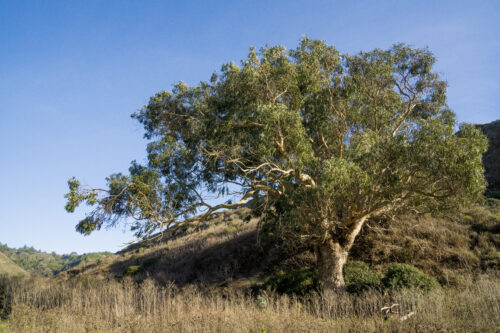 Arroyo Willow (Salix lasiolepis), a shrub with silvery catkins flowers
 -
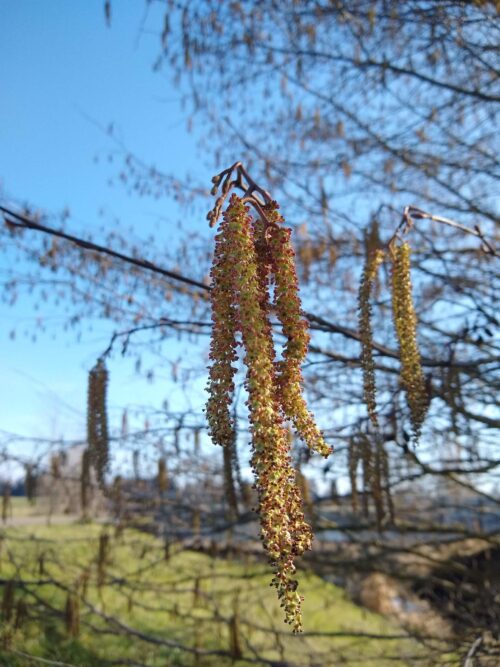 White Alder (Alnus rhombifolia), a tree with greenish catkins flowers
 -
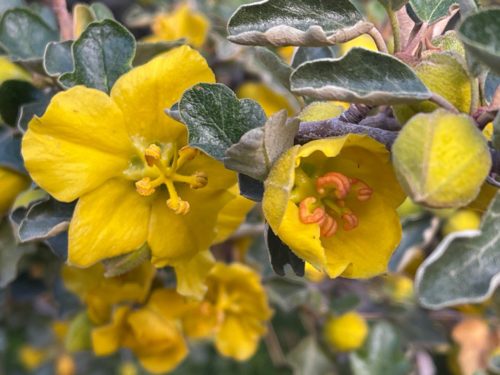 Flannel Bush (Fremontodendron californicum), a shrub with golden yellow flowers
 -
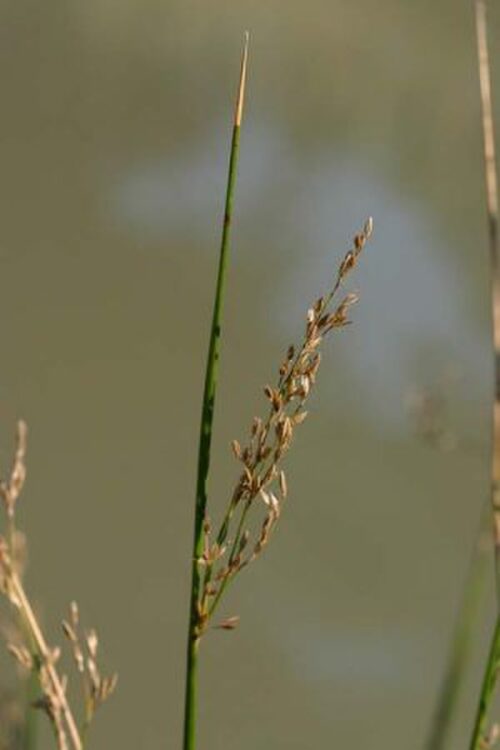 Mexican Rush (Juncus mexicanus), a bunchgrass with green & brown flowers
 -
The hardiest of the showy agaves — tight artichoke rosettes of blue-gray leaves that take cold to ~-5°F, far colder than most.
Call Us Today! 1-657-217-2109

CA Native Plant Garden Designs, Plants, & Tours