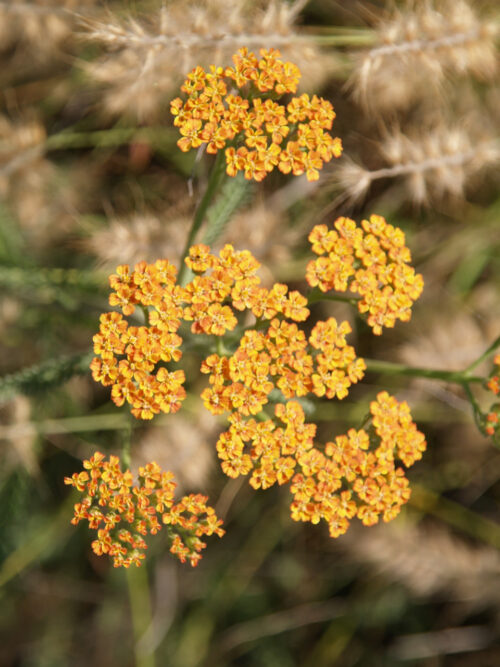
Tolerates coastal exposure. For use in cottage gardens, perennial beds, cut flowers, in mass. Deer resistant. Foliage height 4-8" tall, flower stalks can reach 3 feet. Aggressiveness/spreading capability depends on climate. In warmer areas, tends to stay abut 12-18"W, but in cold climate (with snow) will spread fairly aggressively 2-3 feet. Can divide every few years if center of the plant is less vigorous or begin to die out.
-
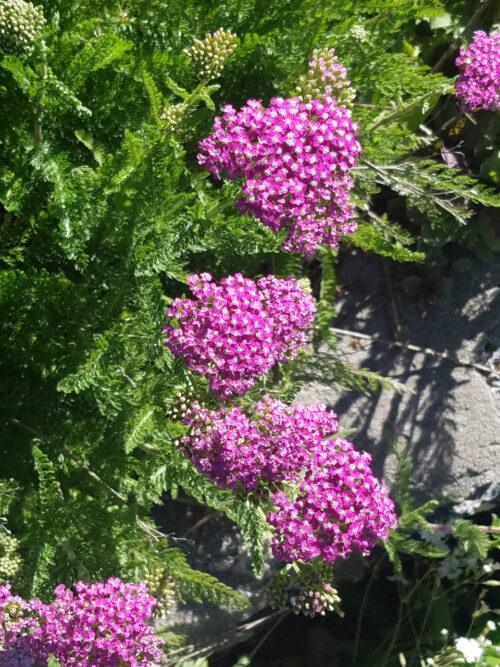 Tolerates coastal exposure. For use in cottage gardens, perennial beds, cut flowers, in mass. Deer resistant. Foliage height 4-8" tall, flower stalks can reach 3 feet. Aggressiveness/spreading capability depends on climate. In warmer areas, tends to stay abut 12-18"W, but in cold climate (with snow) will spread fairly aggressively 2-3 feet. Can divide every few years if center of the plant is less vigorous or begin to die out.
 -
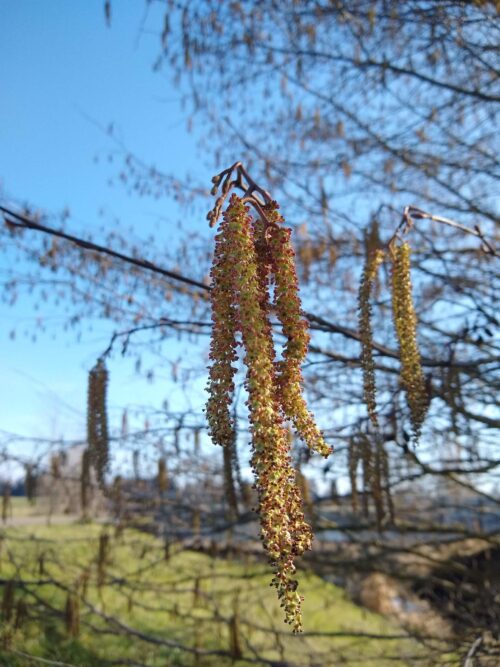 White Alder (Alnus rhombifolia), a tree with greenish catkins flowers
 -
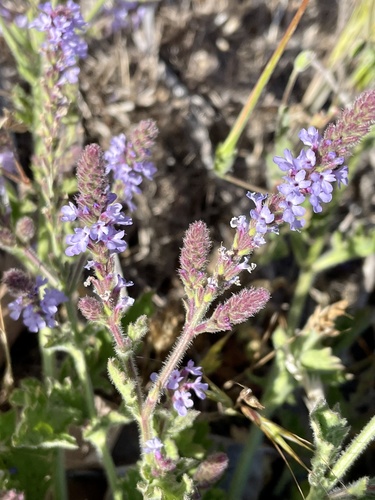 Western Vervain (Verbena lasiostachys), a perennial with blue & purple flowers
 -
 A spectacular spring show — bare branches erupt in magenta-pink pea flowers before the heart-shaped leaves unfurl, followed by red seedpods and gold-red fall co
 -
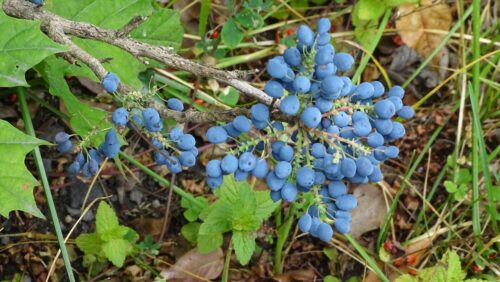 Tall Oregon Grape (Berberis aquifolium), a shrub with bright yellow flowers
 -
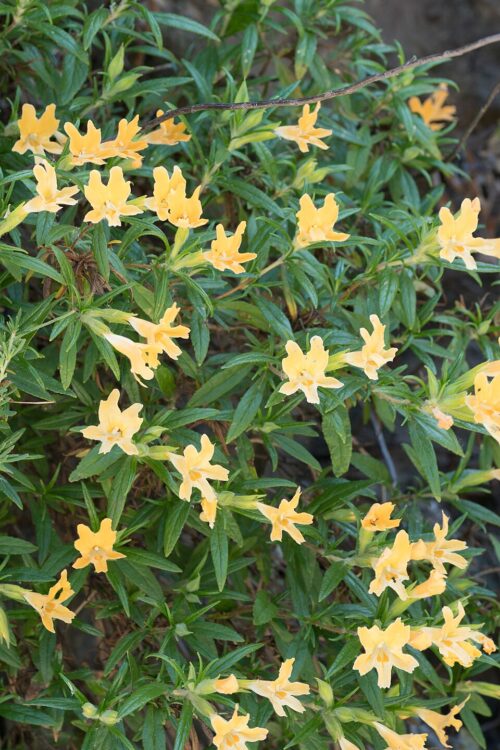 Southern Bush Monkeyflower (Diplacus longiflorus), a perennial with pale yellow & orange flowers
 -
A supremely tough, cold-hardy sumac (to -25°F) for mountain and high-desert gardens — fragrant lobed leaves with fiery red-orange fall color and tart red 'lemon
-
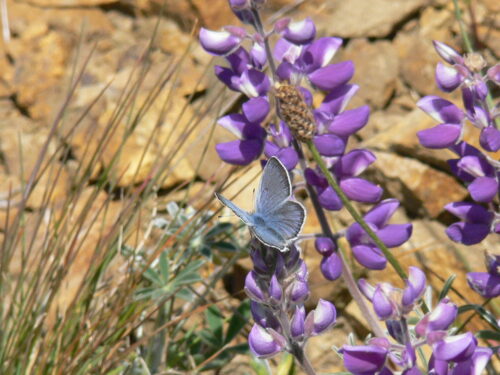 Silver Lupine (Lupinus albifrons), a shrub with blue & purple flowers