-
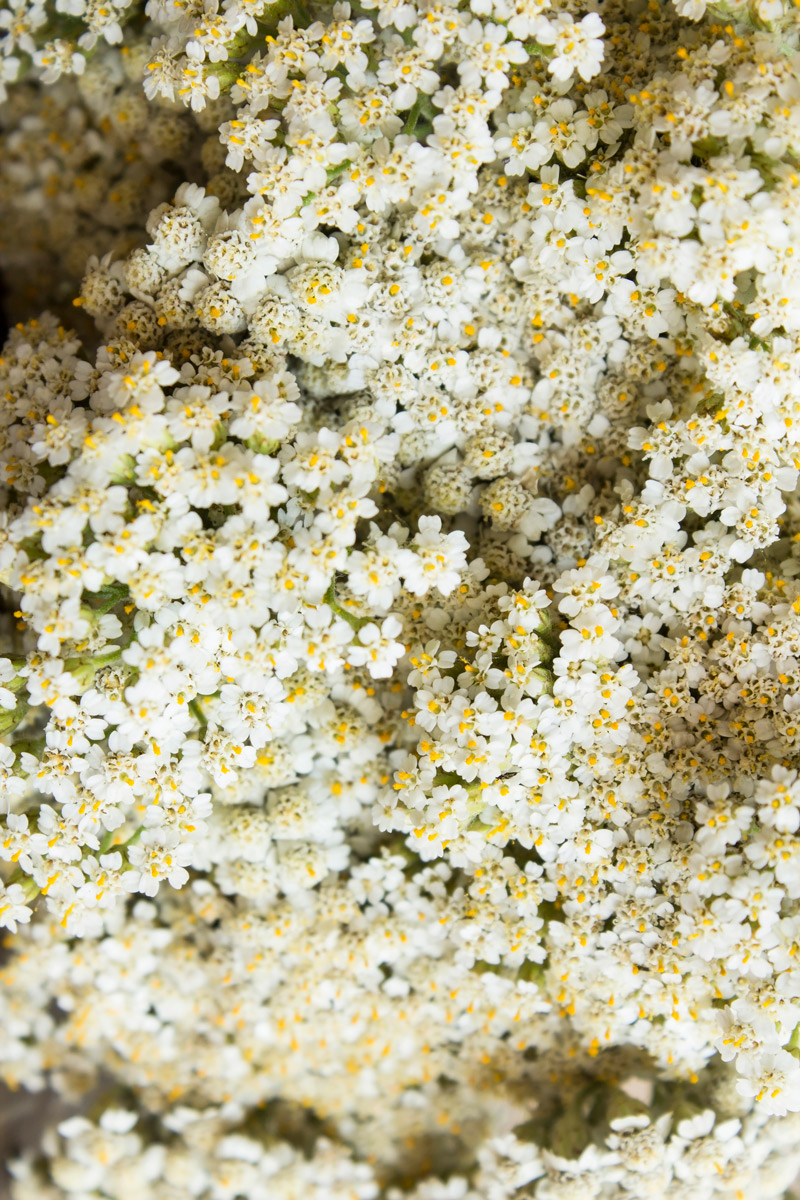 Yarrow is an all-star, popular plant choice among California native gardeners, including beginners! It is durable and easy to grow in a wide range of soil types and has low moisture requirements. It reseeds and spreads quickly, making it a good groundcover plant for lawn replacement.
 -
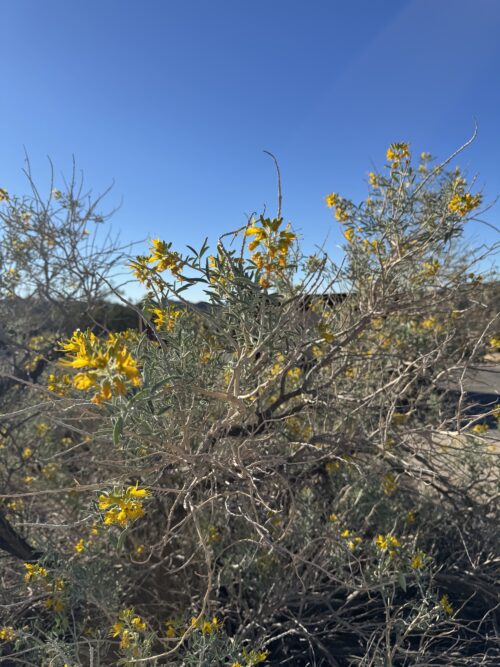 Bladderpod (Cleomella arborea) This interesting and attractive plant is easy to grow from seed and makes a great hedge or a small focal point. The seed pods are unique and the flowers are abundant and loved by many pollinators.
 -
Out of stock
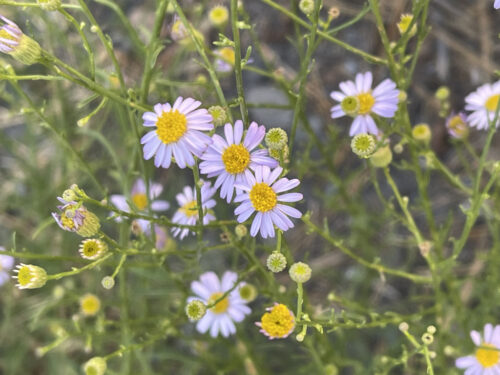 Leafy Fleabane (Erigeron foliosus var. foliosus) A resilient, long flowering daisy with purple / lavender petals. Blooms late in Summer and will bloom again after being cut back. Blooms can be dried and will turn into attractive puff-ball type seed heads like dandelions.
 -
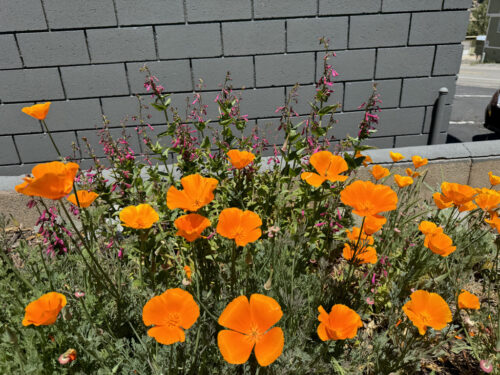
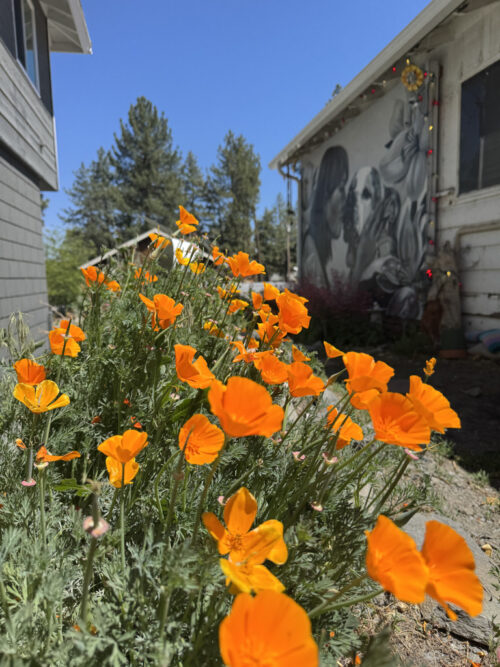 California Poppy (Eschscholzia californica), a low groundcover with orange & gold flowers
 -
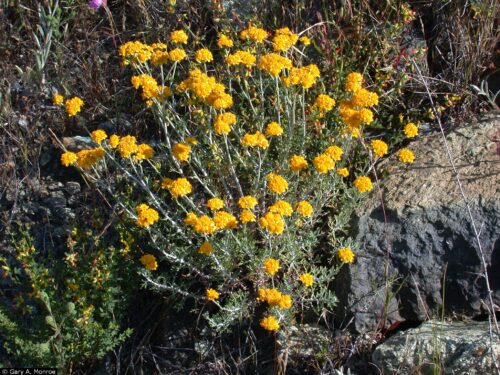 Golden Yarrow (Eriophyllum confertiflorum), a perennial with golden yellow flowers
 -
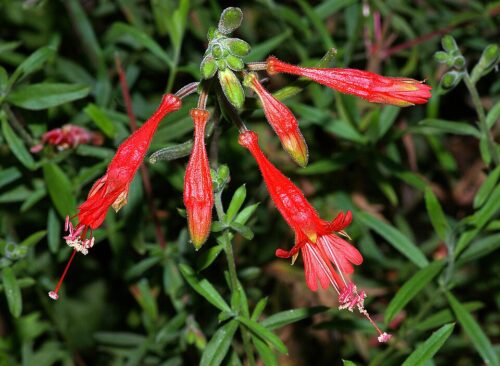 California Fuchsia (Epilobium canum), a low groundcover with scarlet red flowers
 -
 Long, lush spikes of blue-purple pea flowers rise above green palmate leaves, blooming generously spring into summer.
 -
One of the very best evergreen groundcovers for dry shade under oaks — glossy aromatic leaves on burgundy stems that smell of wine after rain, with rose-red lat
Call Us Today! 1-657-217-2109
CA Native Plant Garden Designs, Plants, & Tours