-
 Arroyo Willow (Salix lasiolepis), a shrub with silvery catkins flowers
 -
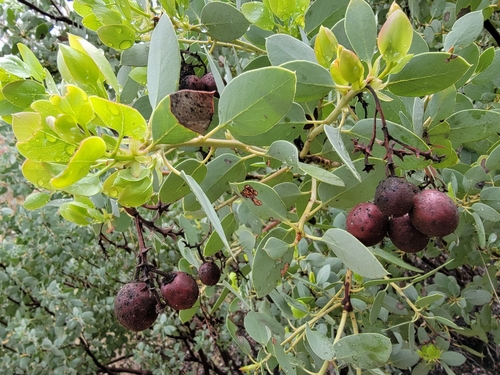 Bigberry Manzanita (Arctostaphylos glauca), a shrub with pale pink & white flowers
 -
Out of stock
 Clusters of starry blue-lavender flowers with golden centers bloom much of the year, buzz-pollinated by native bees.
 -
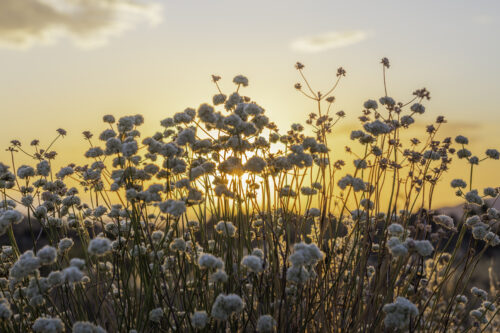 California Buckwheat (Eriogonum fasciculatum), a shrub with cream & rust flowers
 -
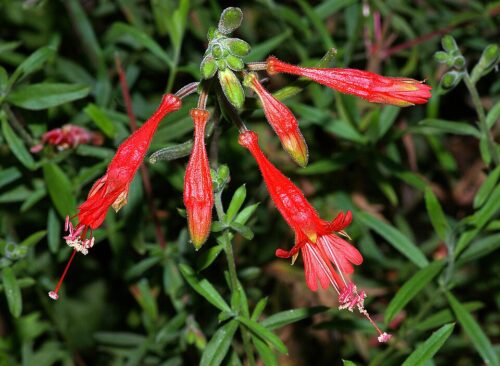 California Fuchsia (Epilobium canum), a low groundcover with scarlet red flowers
 -
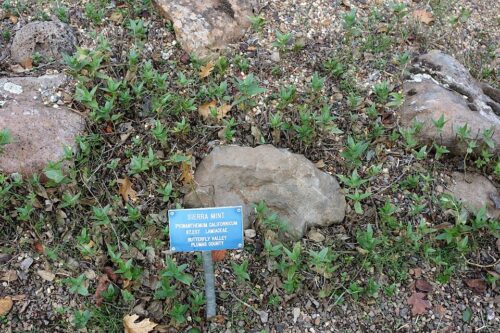 California Goldenrod (Solidago velutina ssp. californica), a shrub with golden yellow flowers
 -
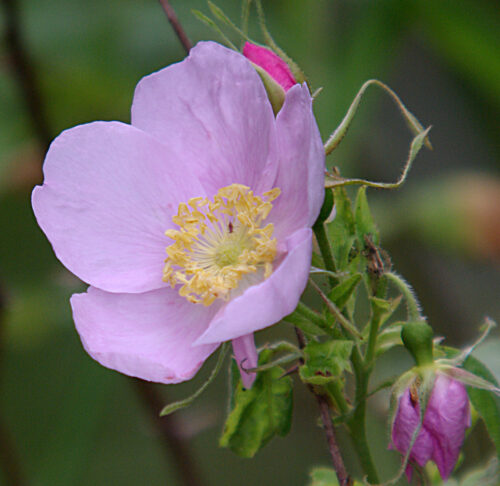 California Wild Rose (Rosa californica), a shrub with pink flowers
 -
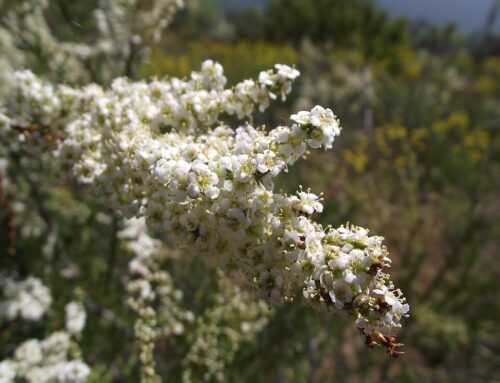 Chamise (Adenostoma fasciculatum), a shrub with creamy white flowers
 -
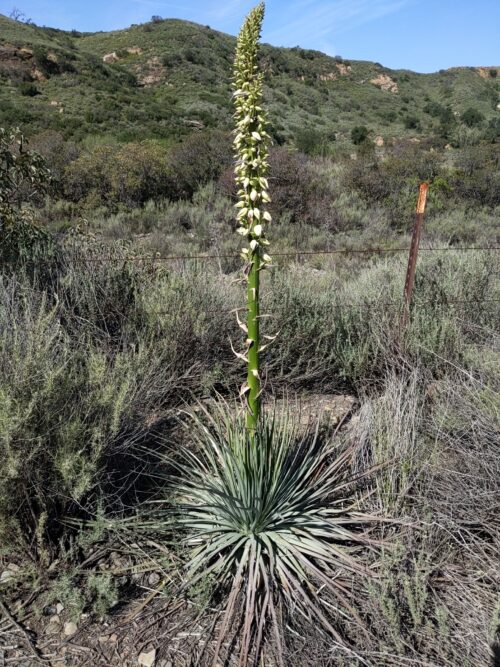 Chaparral Yucca (Hesperoyucca whipplei), a shrub with creamy white flowers
 -
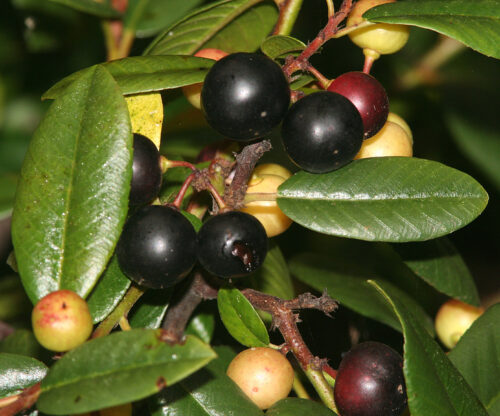 Coffeeberry (Frangula californica), a shrub with greenish cream flowers
 -
Out of stock
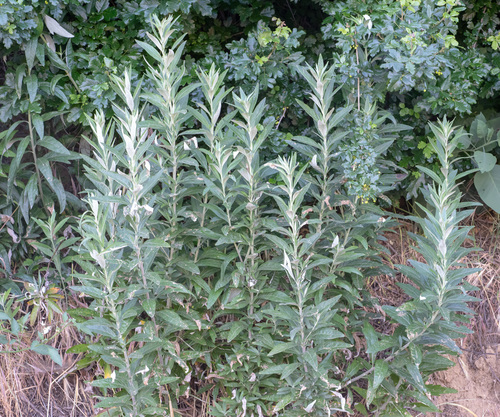 Douglas Mugwort (Artemisia douglasiana), a shrub with cream & yellow flowers
Call Us Today! 1-657-217-2109

CA Native Plant Garden Designs, Plants, & Tours