-
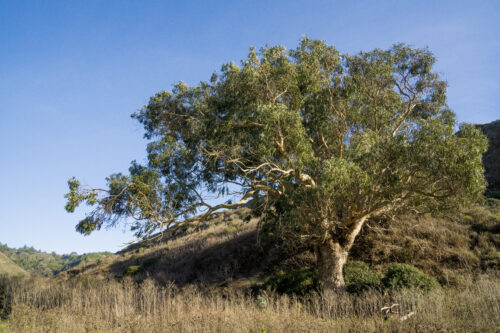 Arroyo Willow (Salix lasiolepis), a shrub with silvery catkins flowers
 -
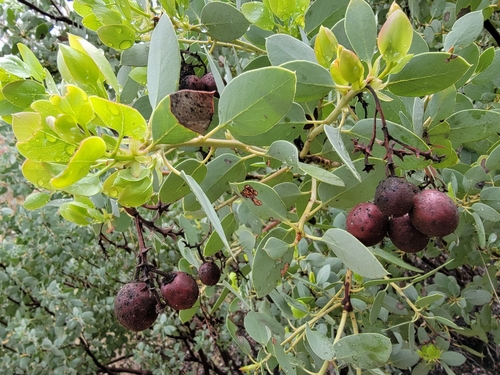 Bigberry Manzanita (Arctostaphylos glauca), a shrub with pale pink & white flowers
 -
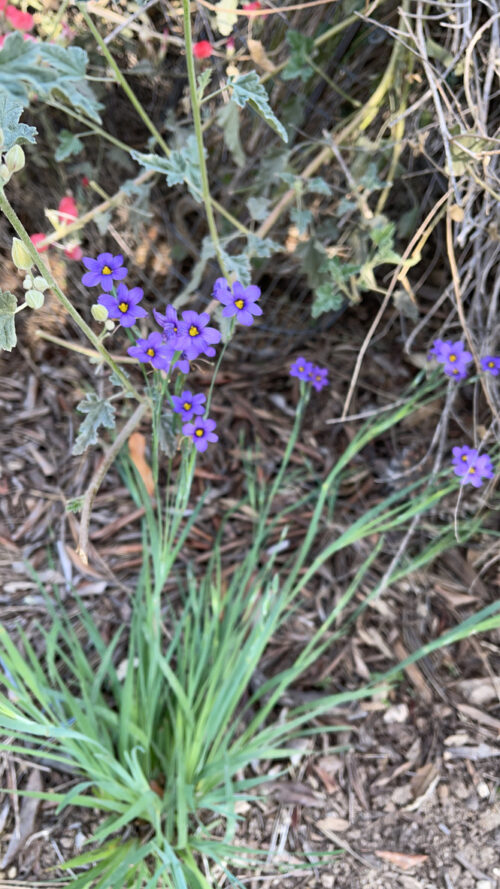 Blue-eyed Grass (Sisyrinchium bellum), an ornamental grass with blue & purple flowers
 -
Out of stock
 Clusters of starry blue-lavender flowers with golden centers bloom much of the year, buzz-pollinated by native bees.
 -
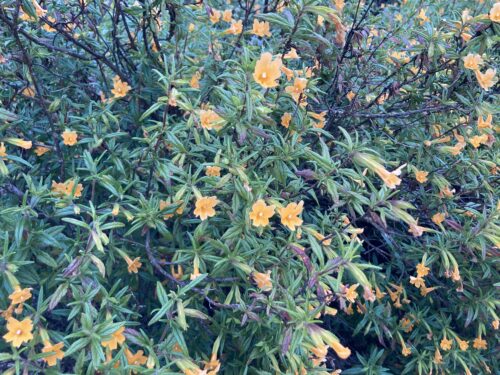 Bush Monkeyflower (Diplacus aurantiacus), a shrub with orange & apricot flowers
 -
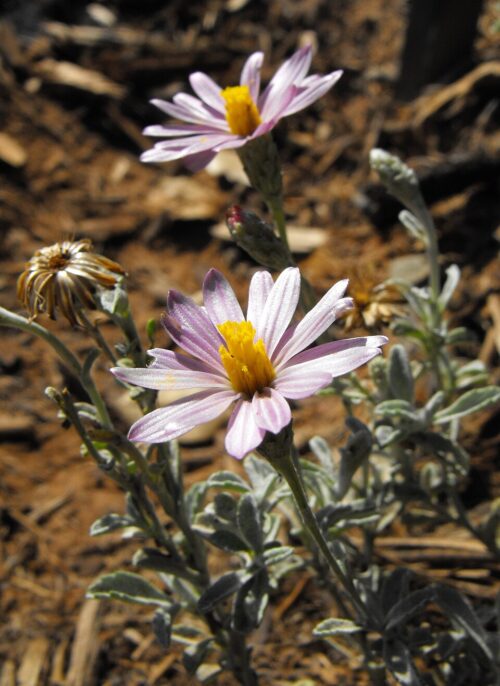 California Aster (Corethrogyne filaginifolia), a low groundcover with lavender & pink flowers
 -
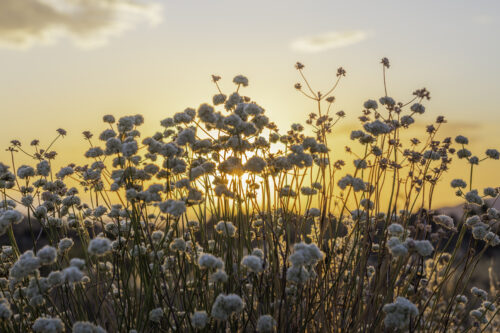 California Buckwheat (Eriogonum fasciculatum), a shrub with cream & rust flowers
 -
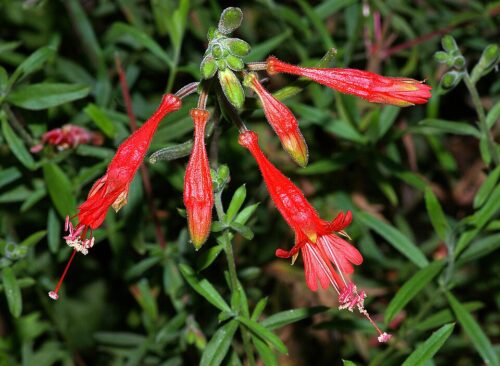 California Fuchsia (Epilobium canum), a low groundcover with scarlet red flowers
 -
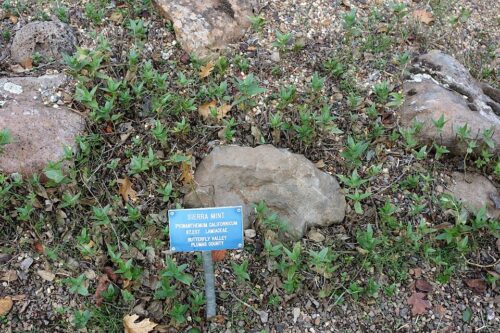 California Goldenrod (Solidago velutina ssp. californica), a shrub with golden yellow flowers
 -
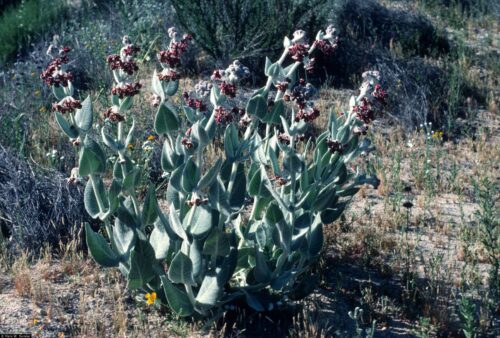 California Milkweed (Asclepias californica), a perennial with dusty rose flowers
 -
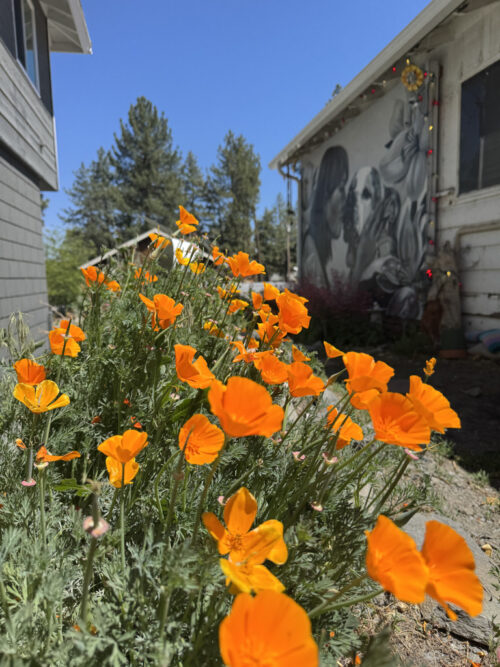 California Poppy (Eschscholzia californica), a low groundcover with orange & gold flowers
 -
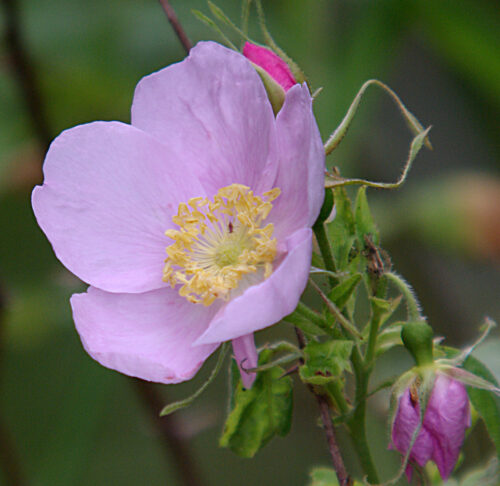 California Wild Rose (Rosa californica), a shrub with pink flowers
 -
Out of stock
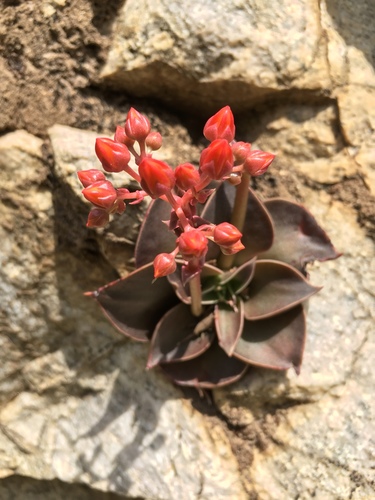 Canyon Liveforever (Dudleya cymosa), a perennial with orange & red flowers
 -
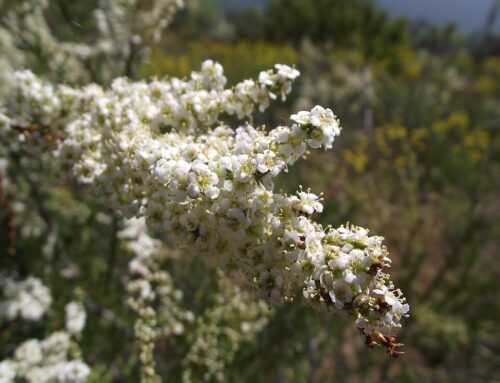 Chamise (Adenostoma fasciculatum), a shrub with creamy white flowers
 -
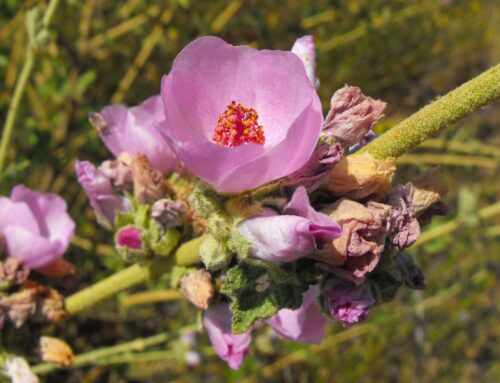 Chaparral Mallow (Malacothamnus fasciculatus), a shrub with soft pink flowers
 -
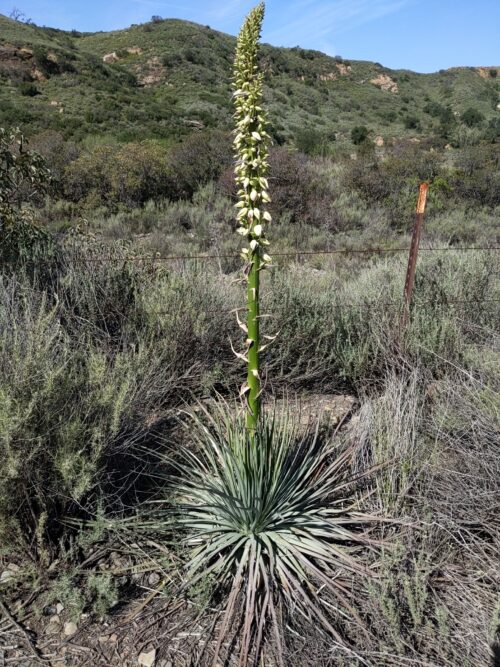 Chaparral Yucca (Hesperoyucca whipplei), a shrub with creamy white flowers
 -
 Clustered Field Sedge (Carex praegracilis), an ornamental grass with green flowers
 -
Out of stock
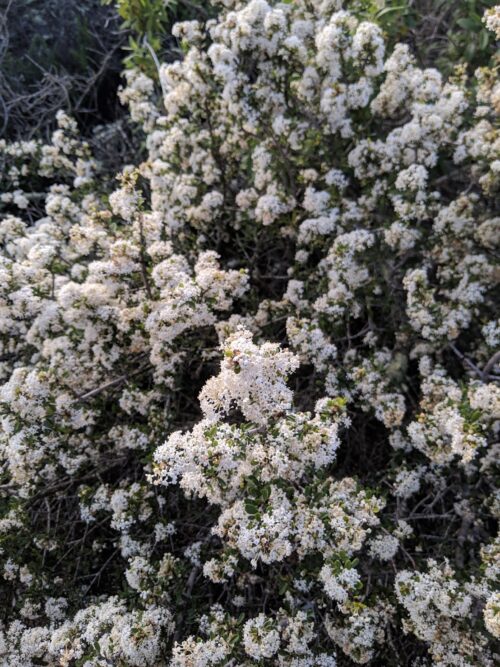 Coast Barberry (Berberis pinnata), a shrub with bright yellow flowers
 -
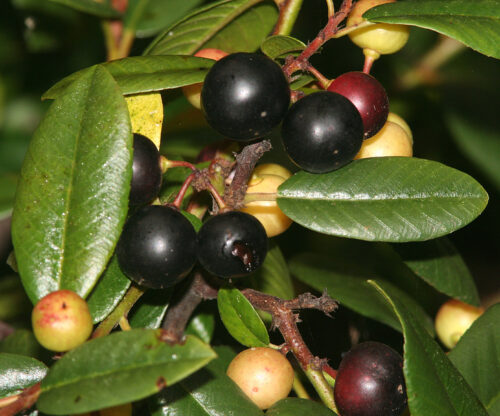 Coffeeberry (Frangula californica), a shrub with greenish cream flowers
 -
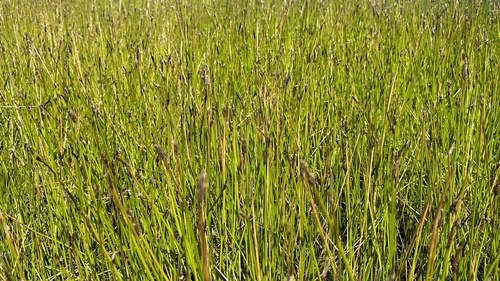 Common Spikerush (Eleocharis macrostachya), a bunchgrass with brown flowers
 -
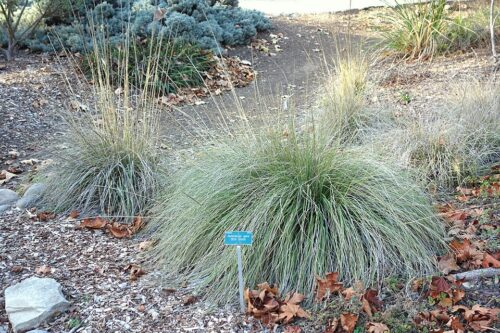 Deergrass (Muhlenbergia rigens), an ornamental grass with cream & gold flowers
 -
Out of stock
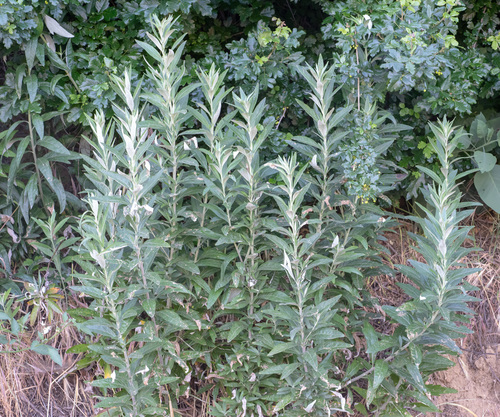 Douglas Mugwort (Artemisia douglasiana), a shrub with cream & yellow flowers
 -
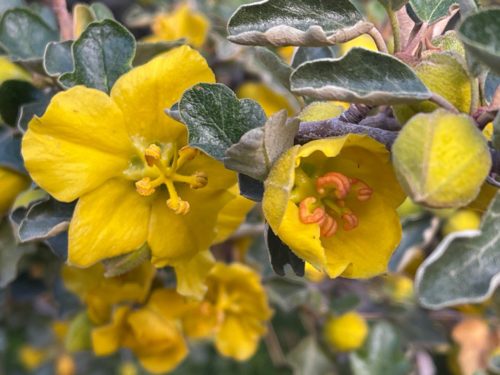 Flannel Bush (Fremontodendron californicum), a shrub with golden yellow flowers
 -
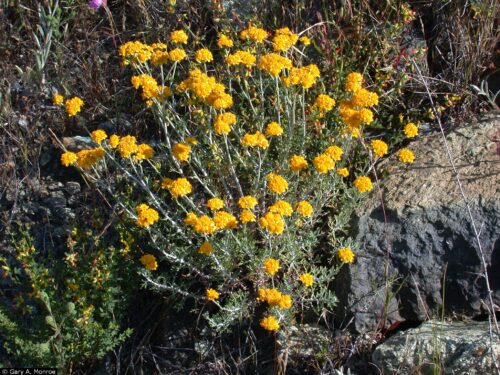 Golden Yarrow (Eriophyllum confertiflorum), a perennial with golden yellow flowers
 -
 Irisleaf Rush (Juncus xiphioides), a bunchgrass with bronze & red flowers
 -
Long, lush spikes of blue-purple pea flowers rise above green palmate leaves, blooming generously spring into summer.
-
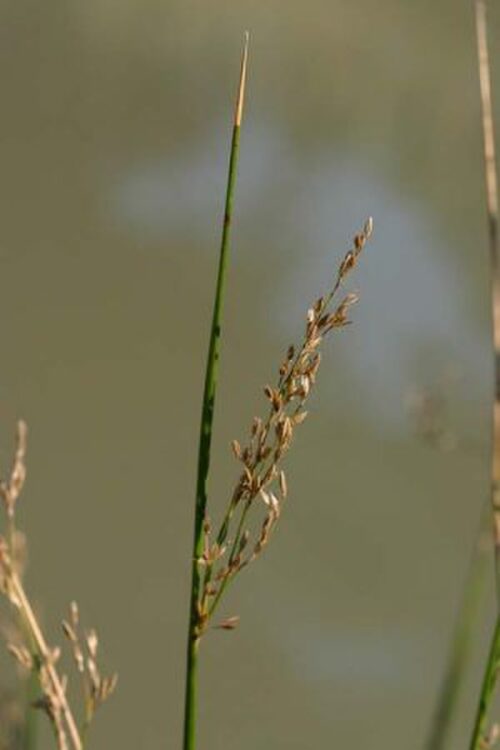 Mexican Rush (Juncus mexicanus), a bunchgrass with green & brown flowers
 -
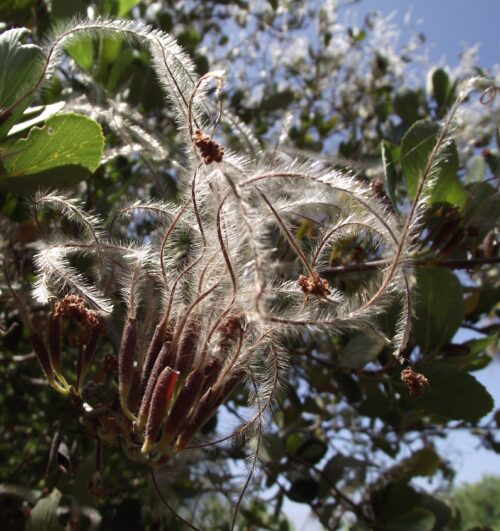 Mountain Mahogany (Cercocarpus betuloides), a shrub with cream flowers
 -
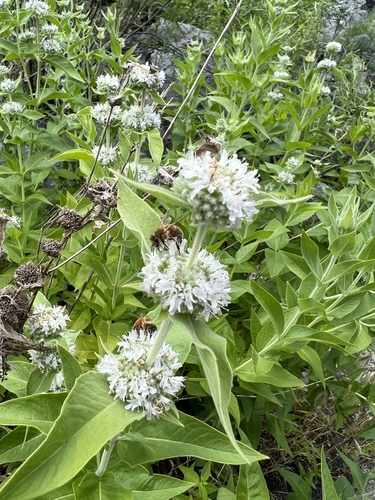 Mountain Mint (Pycnanthemum californicum), a perennial with white & purple flowers
 -
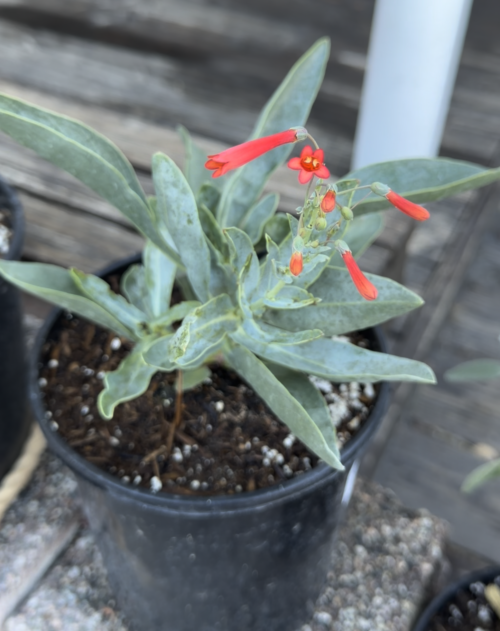 Scarlet Bugler (Penstemon centranthifolius), a shrub with scarlet red flowers
 -
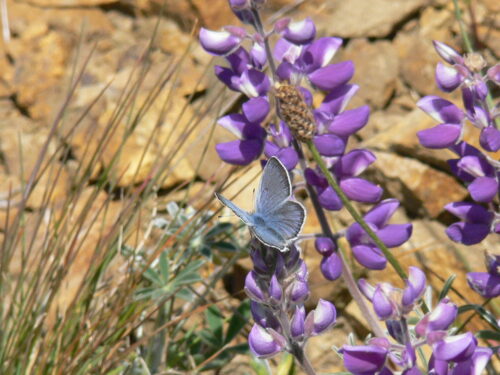 Silver Lupine (Lupinus albifrons), a shrub with blue & purple flowers
 -
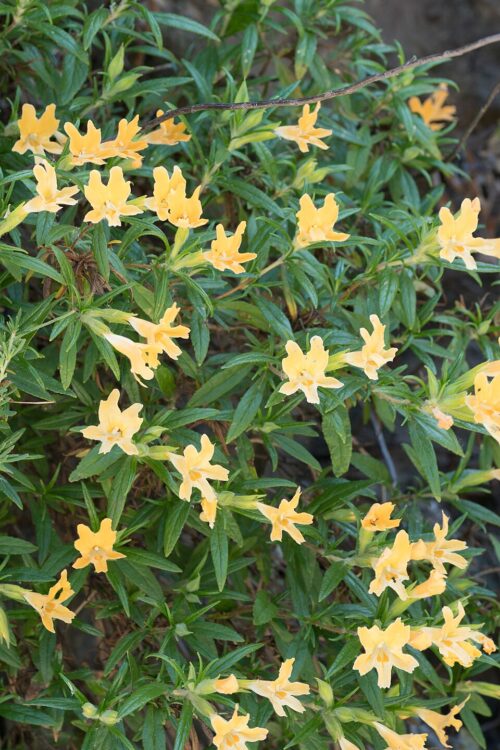 Southern Bush Monkeyflower (Diplacus longiflorus), a perennial with pale yellow & orange flowers
 -
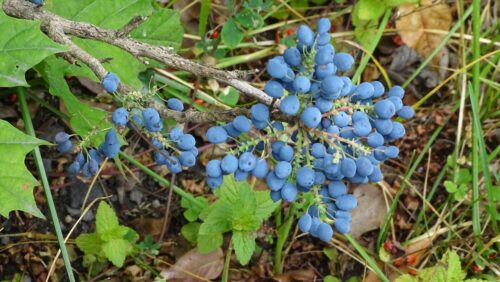 Tall Oregon Grape (Berberis aquifolium), a shrub with bright yellow flowers
 -
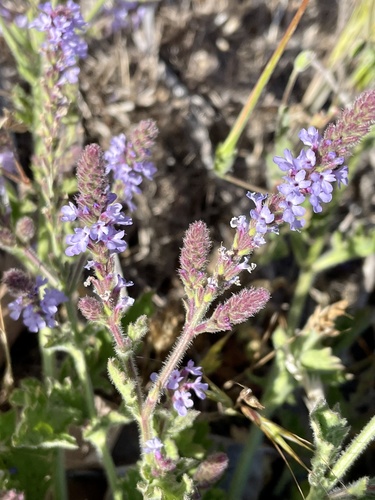 Western Vervain (Verbena lasiostachys), a perennial with blue & purple flowers
 -
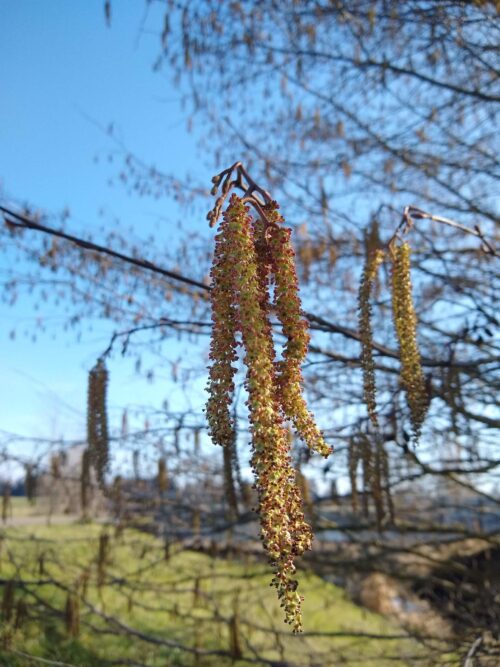 White Alder (Alnus rhombifolia), a tree with greenish catkins flowers
Call Us Today! 1-657-217-2109
CA Native Plant Garden Designs, Plants, & Tours