-
Out of stock
 Glowing apricot-orange cups bloom much of the year on silvery desert foliage — a low-desert and high-desert native that thrives on heat, lean soil, and almost n
 -
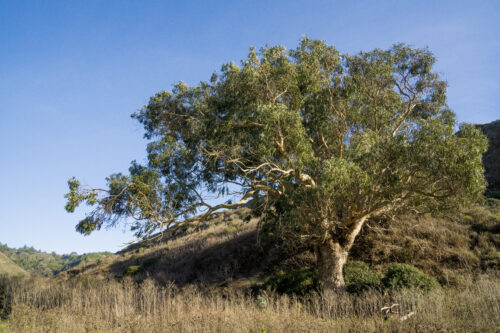 Arroyo Willow (Salix lasiolepis), a shrub with silvery catkins flowers
 -
A fast, dense gray-green shrub that makes a superb desert screen or windbreak and may attract more birds than anything else you plant.
-
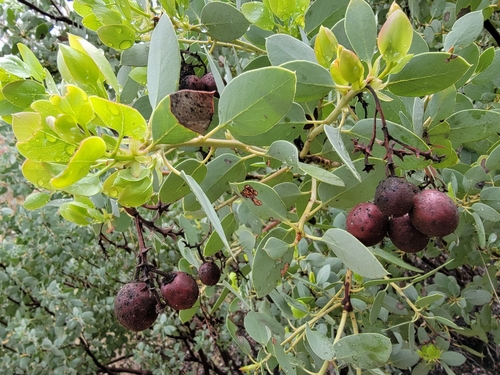 Bigberry Manzanita (Arctostaphylos glauca), a shrub with pale pink & white flowers
 -
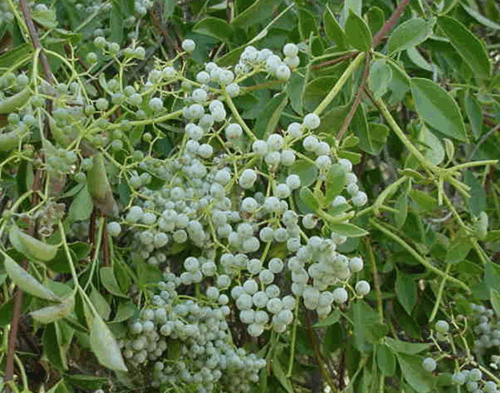 Blue Elderberry Attractive, hardy, and easy to grow, the Blue Elderberry is also an important food source for California wildlife. In spring, large clusters of cream-colored flowers attract butterflies and bees. The abundant blue berries provide food for birds and other animals. Humans can eat the fruit as long as it's cooked.
 -
A charming, ultra-hardy native bunchgrass (good to -30°F) with whimsical horizontal 'eyebrow' seed heads in summer.
-
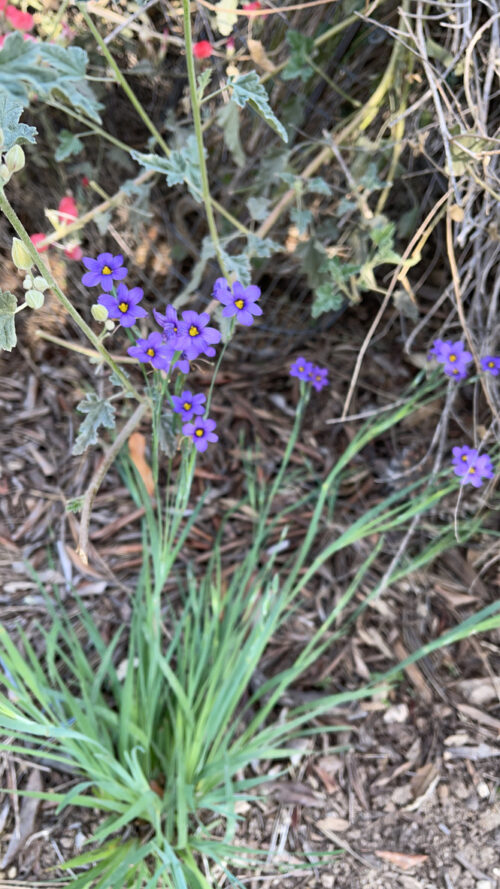 Blue-eyed Grass (Sisyrinchium bellum), an ornamental grass with blue & purple flowers
 -
Out of stockClusters of starry blue-lavender flowers with golden centers bloom much of the year, buzz-pollinated by native bees.
-
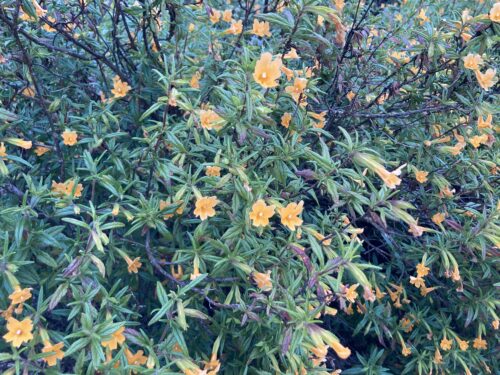 Bush Monkeyflower (Diplacus aurantiacus), a shrub with orange & apricot flowers
 -
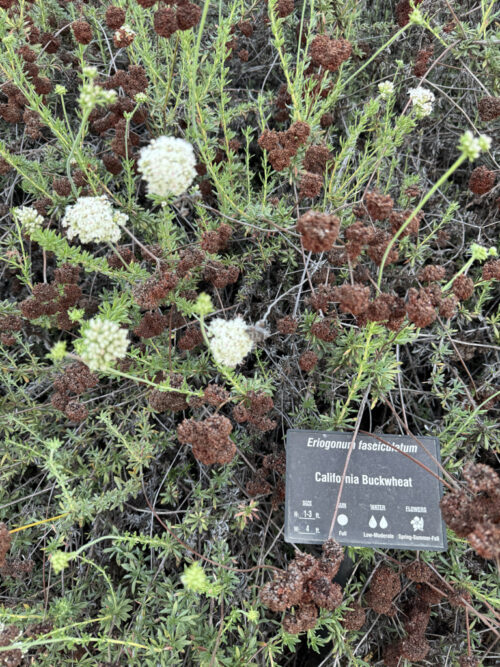 CA Buckwheat (Eriogonum fasciculatum) is one of the most hardy, drought resistant, and wildlife supporting plants you can add to your space! With beautiful white blooms that age to pink, maroon, rust, then brown, and foliage that looks like little pine needles, it is a gorgeous addition.
 -
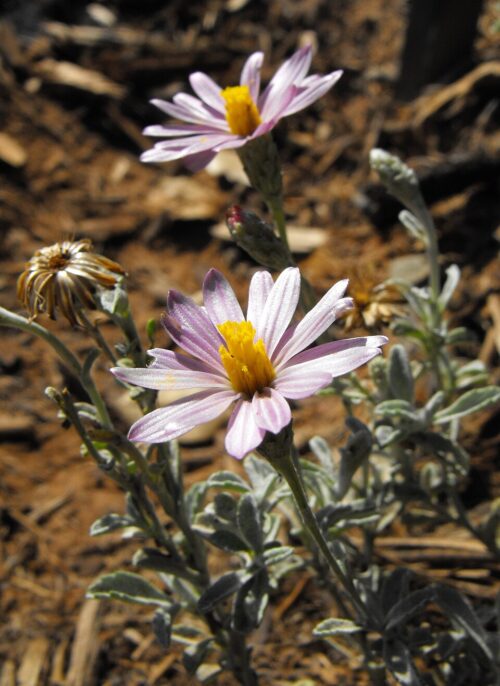 California Aster (Corethrogyne filaginifolia), a low groundcover with lavender & pink flowers
 -
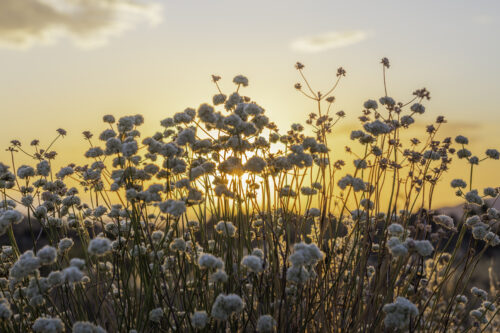 California Buckwheat (Eriogonum fasciculatum), a shrub with cream & rust flowers
 -
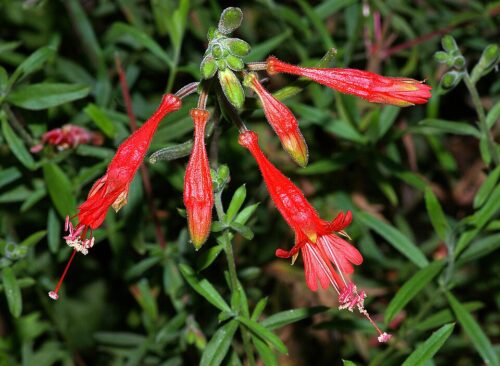 California Fuchsia (Epilobium canum), a low groundcover with scarlet red flowers
 -
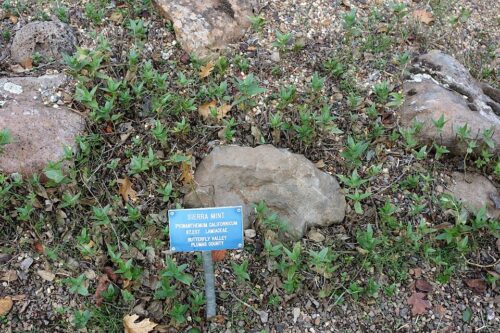 California Goldenrod (Solidago velutina ssp. californica), a shrub with golden yellow flowers
 -
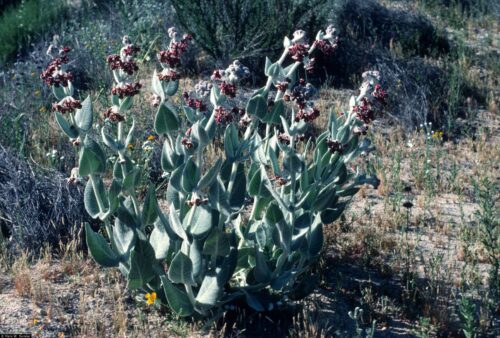 California Milkweed (Asclepias californica), a perennial with dusty rose flowers
 -
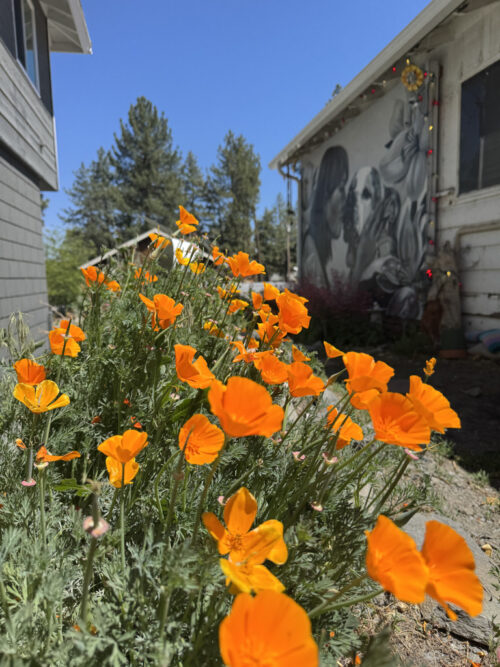 California Poppy (Eschscholzia californica), a low groundcover with orange & gold flowers
 -
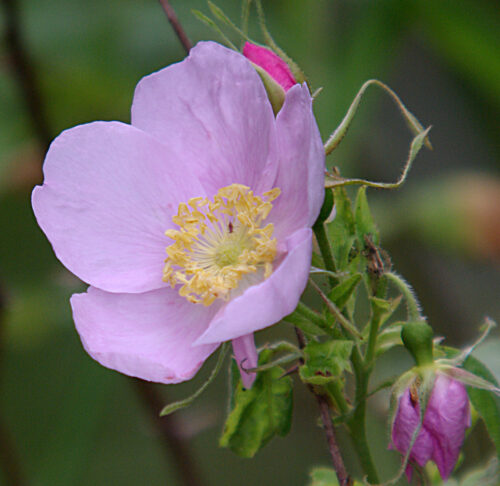 California Wild Rose (Rosa californica), a shrub with pink flowers
 -
Out of stock
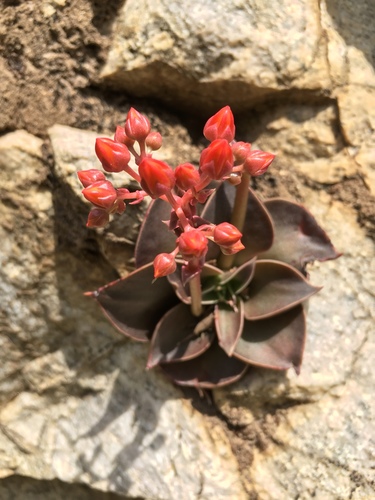 Canyon Liveforever (Dudleya cymosa), a perennial with orange & red flowers
 -
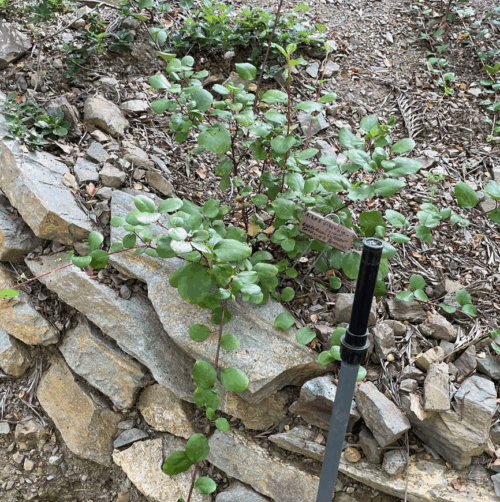 Catalina Currant aka Island Perfume (Ribes viburnifolium) One of our favorites at FlannelBush Gardens! Perfect for dry shade, under oaks, and great as a ground cover. It has an intoxicating aroma, attractive evergreen foliage, and pretty reddish stems. One of the best groundcovers for shady mountain woodland gardens!
 -
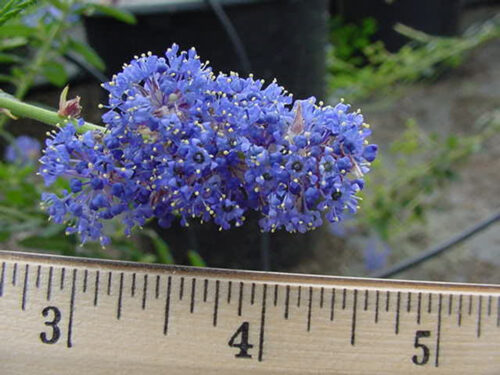 Ceanothus 'Concha'Stunning, profuse electric blue to violet flowers on rigid stems. Tolerant of heavy soils if not over-watered. Cold hardy to 15°F.
 -
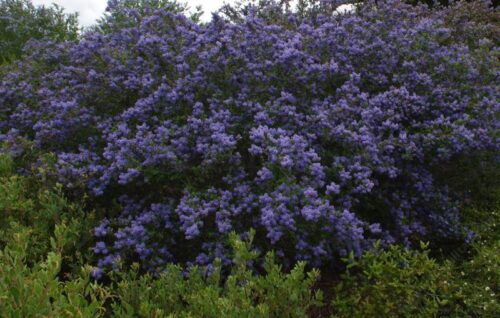 Ceanothus 'Frosty Blue'Fast growing it can mature in 18 months, and can be trained into a small tree or even espaliered. Flowers appear in early spring, medium blue with a frosted appearance hence the name. Frosty Blue is one of the most adaptable of the ceanothus. It tolerates most soil types including heavy clay and sandy soil and likes both sun or light shade. Heat, drought and frost tolerant to degrees F.
 -
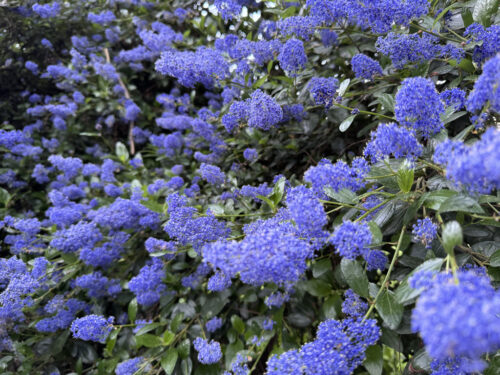 Ceanothus 'Joyce Coulter'This variety will tolerate pruning and a wide range of garden conditions. It is fast-growing and is a beautiful choice for large slopes, or above a retaining wall, or anywhere you want a low-water yet lush flowering plant.
 -
 Ceanothus 'Hearst's'Ceanothus hearstiorum is a species of flowering shrub known by the common names Hearst Ranch Buckbrush and Hearst's Ceanothus. This Ceanothus is endemic to California, where it grows wild only on the hilly coastline of San Luis Obispo County. This shrub is generally wider than it is tall and often lies prostrate in a mat on the ground. The younger branches are hairy and somewhat feltlike in texture. The distinctive evergreen leaves are oval to almost rectangular and have a cupped, rippled surface. The edges are toothed with tiny hairy knobs and the shiny surface may be dotted with more knobs. The underside of the leaf is fuzzy to hairy. The flower clusters are borne on short, stout stalks and the tiny flowers are lavender to blue with prominent yellow-anthered blue stamens. This plant prefers to be near the coast where it would have cooler temperatures and some fog. If planted inland, give afternoon shade and an occasional rinse in the summer. It is a rare plant in the wild due to its extremely limited distribution. However, it is a popular garden plant and is readily available at nurseries.
Call Us Today! 1-657-217-2109
CA Native Plant Garden Designs, Plants, & Tours